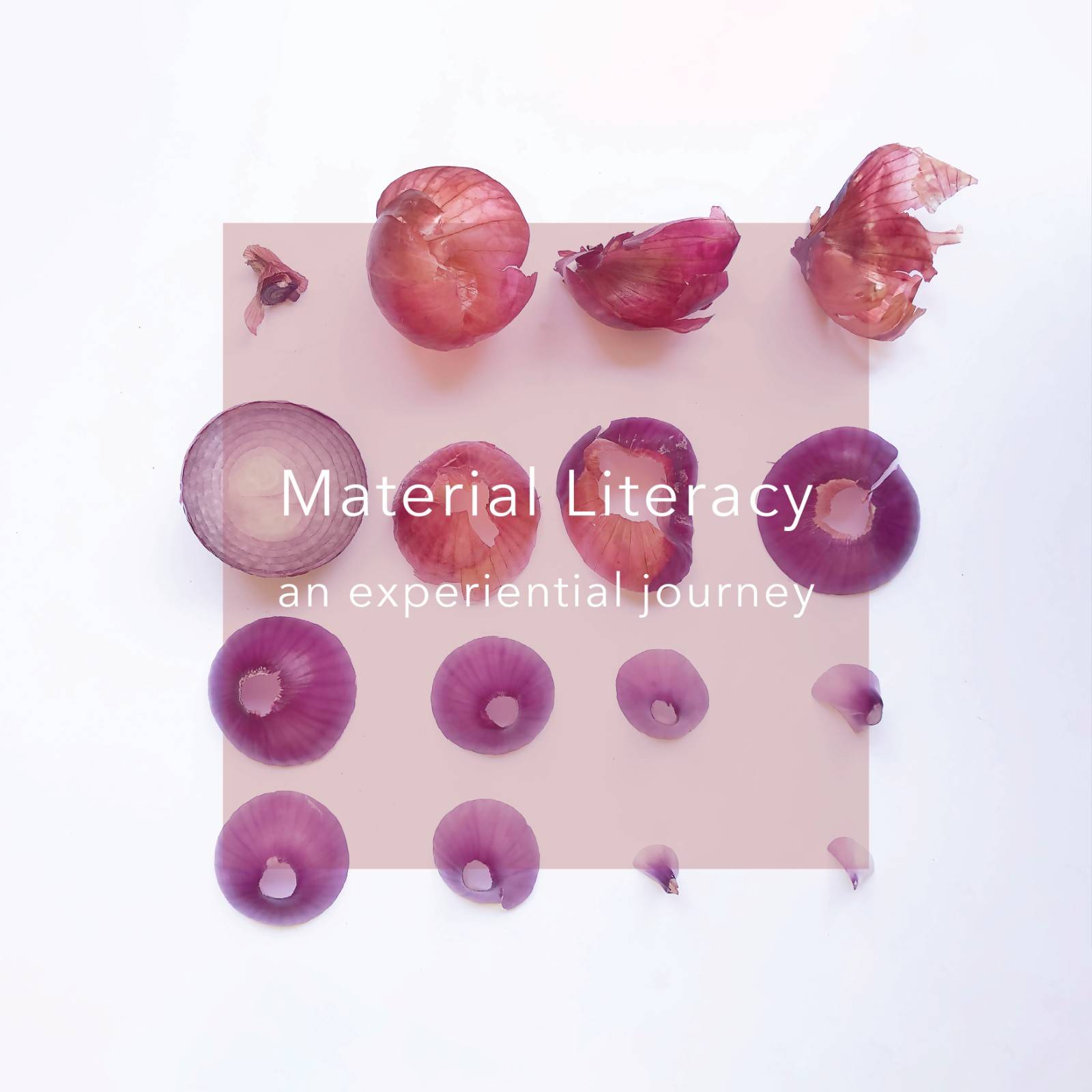
Material Literacy is an initiative that aims to bridge the gap between people and the materials we interact with every day. From the moment we wake up to the time we go to sleep, we interact with many materials in our daily routine, the toothbrush we use, the water we drink, and the clothes we wear. Yet we rarely stop to ask simple questions: What are these materials made of? Where do they come from? Do we even need them? And what impact do they have on our bodies, our environment, and our future?
Material Literacy helps individuals look at everyday objects not just as products, but as materials with origins, properties, and consequences. Over time, people have lost their connection with many materials around them. For example, what varieties of rice grow in your region? Is there only one kind of cotton across the world? Our understanding of materials today is often limited, even though they shape our lives in many ways.
By learning to recognise the materiality of what surrounds us, people begin to understand how everyday choices influence larger environmental and social systems. Material Literacy encourages participants to observe, question, and rethink the materials they use daily.
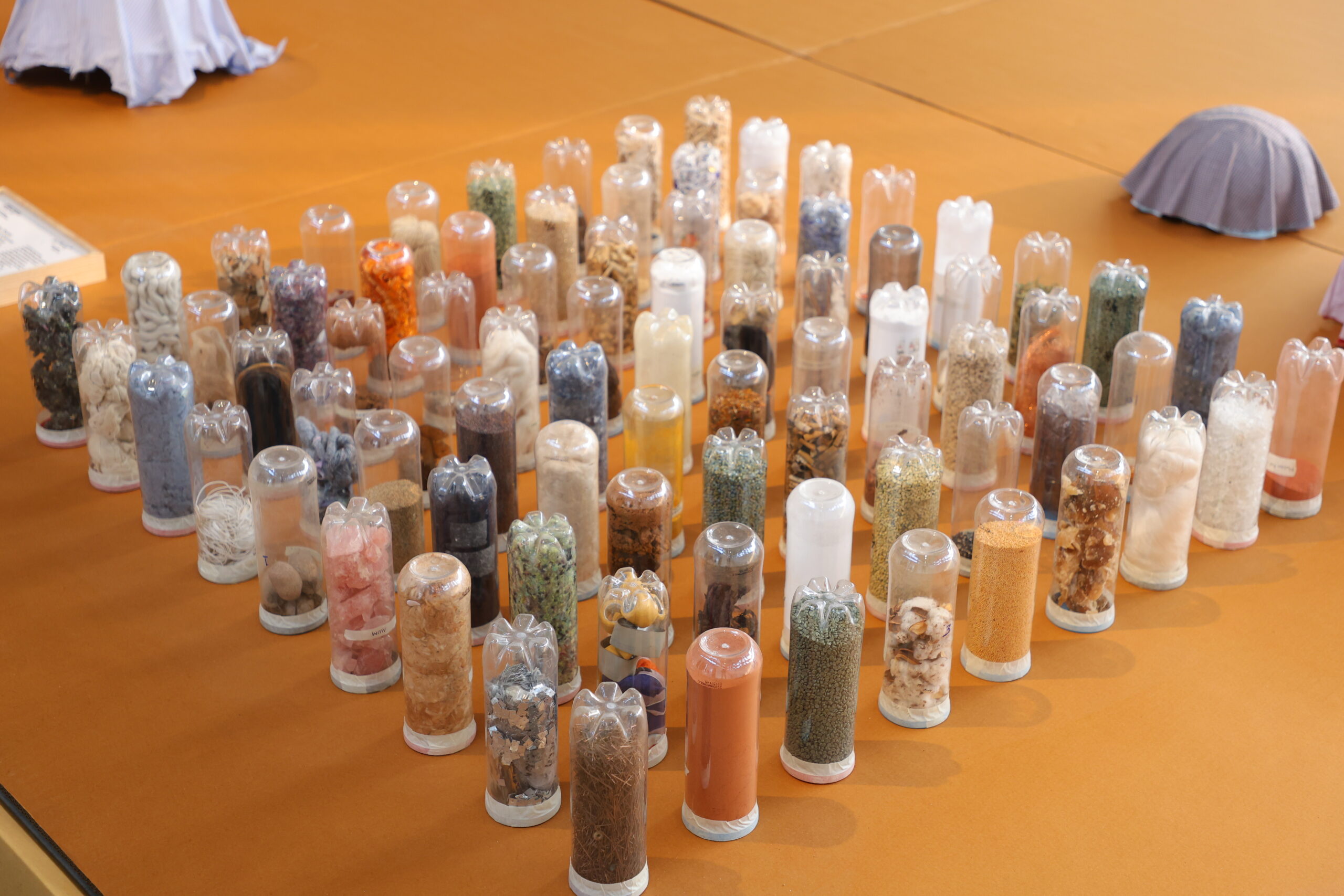
The program explores five essential materials that shape everyday life: food, water, plastic, cosmetics, and textiles. Through hands-on activities, observation, discussions, and experimentation, participants learn about the life cycle of these materials, where they come from, how they are processed, how they enter our daily routines, and what happens to them after use.
By combining material exploration, creative experimentation, and critical thinking, the program encourages individuals to make more conscious and responsible choices in their everyday lives.